The Wrath of Kon

Dispatches, thoughts, and miscellanea from writer Jon Konrath

The Ides of November

IMG_0102

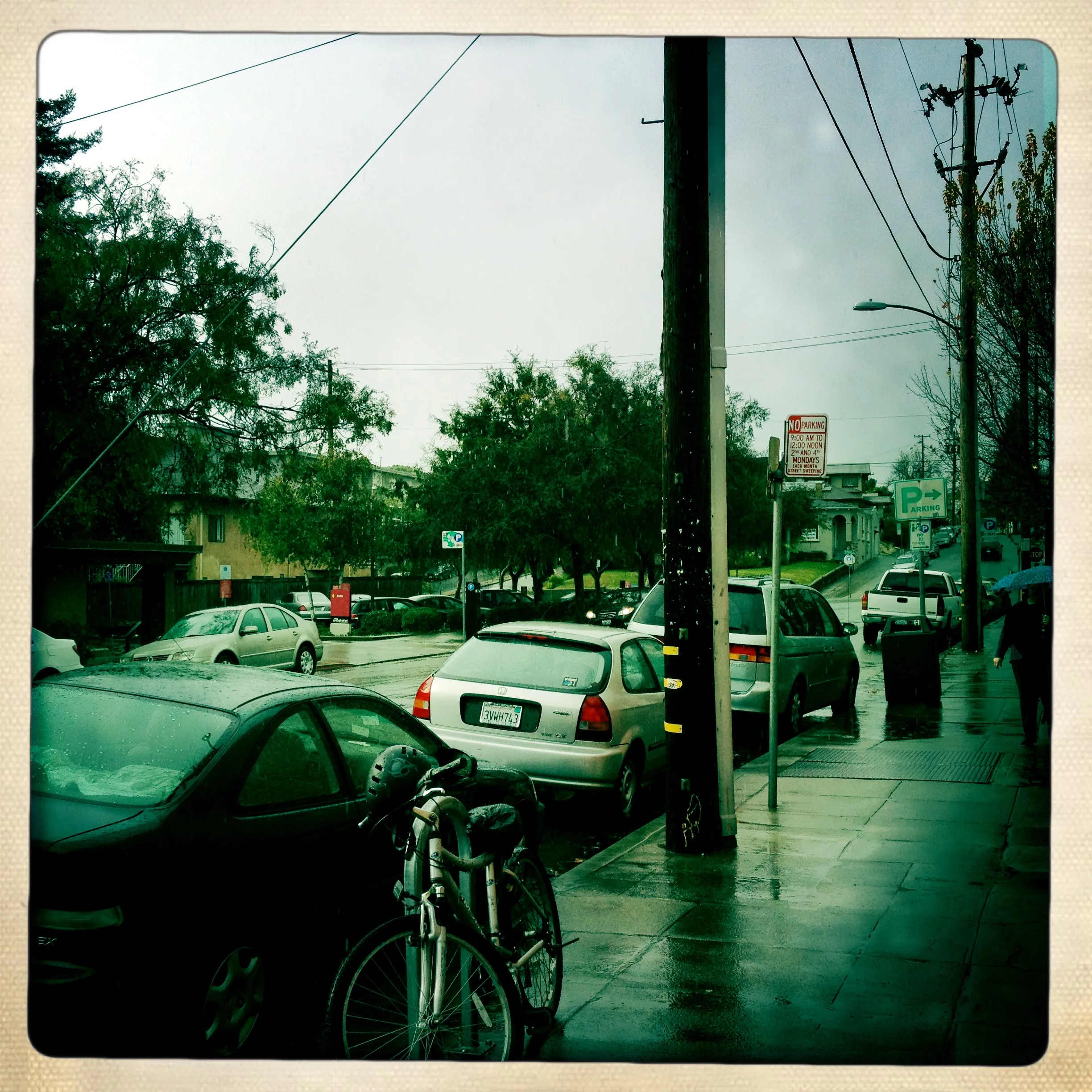
I can’t believe it’s almost Thanksgiving.  Living in California has really put the zap on my ability to discern between months, since it perpetually feels like it’s April.  I guess we’re now going into the rainy season, and we’ve got more constantly gloomy weather.  This is the season where I never know when to wash my car, and it’s even worse now that I only fill up my car’s gas tank maybe every 6 to 8 weeks.  I usually go through the coin-op drive-through wash that gives you a $2 discount when you also buy a tank of gas.  The last time I did this, the person in front of me drove on the tracks wrong, then kept backing up and resetting the machine over and over.  I would have gotten out, went up to their window, and asked “WHAT THE FUCK ARE YOU DOING” except I was 100% sure that the second I stepped into the wash bay, the machines would start.

I haven’t updated in a while, and it’s more of the “what should I be writing here?” sort of thing.  Earlier this year, I made a concerted effort to post more weird stories here, and that resulted in a few issues.  First, the stories were all great, as far as I’m concerned, but I don’t think enough people found them.  And because I published them here first, I basically could not submit them to other zines or journals, who typically want first publication rights.  I realize what I should have done is submitted all of them elsewhere, and then reprinted them here later, or put the rejects that nobody wanted on this site.  Or I should have saved all of them and sewn them together into a new book, then published excerpts of it here.  There is something to be said with the constant demand to put new stuff here, and how that deadline forces me to produce more.  I’d honestly love to have a weekly column somewhere that absolutely forced me to write a thousand words, due at midnight Tuesday, every single week.  I just read that latest Bukowski collection, and that’s basically what forced him to write for a long time.  But print is dead, and blogs are dying, and within a year, there will be something like twitter that only lets you post a single word per update,  and super-micro-mini-flash fiction will be all the rage, which doesn’t bode well for a guy that can barely warm up in 500 words.

The other issue with this is that I never want to write journal entries here, the creative nonfiction sort of thing where I chronicle current life or past memories.  I’ve had a long conflict with which fork in the road to take with my writing, either the ‘straight’ fiction like my first book, or the strange absurdist humor stuff like my second book.  And the answer is very clearly the latter, since that is who I am and what I do best.  But sometimes I feel like I need to write a quick status update or rant or whatever, and maybe that’s the stuff that needs to live here.

So, yeah - status.  I tried to write a book for Nanowrimo and that did not work, for all of the usual reasons.  I started by loading up on caffeine and just capturing straight brain dumps of my unconscious memories, pure automatic writing at its most random.  The first takes of this were pure genius, but as I started to think about the scaffolding needed to continue this for 50,000 words, a plot started to unfold, and it became yet another generic Campbell Hero’s Journey ripoff about zombies and time travel.  And the more I overthought this, the more it became hackneyed and cliched and stupid.  So I quit just shy of the halfway mark.  I think there are some good pieces in there that could be turned into decent shorter things, but I need to seriously set that one aside and work on real stuff.

I also switched to a Kinesis Advantage keyboard, which has been a real albatross around my neck.  The contour and the key tactile operation is awesome, but it really requires you to be a touch typist, and I am not.  I practiced with a touch typing tutor program, and used the exercises that came with the keyboard, but it is still at maybe 50% of my normal typing speed, with a lot more mistakes.  The more I type, the better it gets, but I’m noticing a lot of common actions rely on muscle memory.  Like when I copy and paste, I don’t think “command-c, command-v”; I think left thumb and the two keys up and to the right of said thumb.  Moving the command key to roughly where the H is on my old keyboard makes me have to stop and think as I cut and paste.  And I don’t want to think when I type - I want the words to pour directly from my brain to the buffer.  Thought control would be nice, but I think that’s in the same category as jet packs and commercial travel to Mars.

My last book, Fistful of Pizza, has continued to sell at the rate that makes this most definitely a labor of love.  But I have been getting some very good comments on it from people, which is nice.  I have about enough stories to publish another collection like this, and I’ve been editing and messing with that a bit.  I have no title and no idea on the cover, and I don’t want to sink my productivity by spending all of my free time browsing stock photo sites forever.  I also don’t want to pay someone hundreds of dollars to design a cover for me, so this might take a while.

Things have been otherwise quiet.  Sold the old house, just about to finish buying the new one.  I’ve been reading a lot of independent authors lately, and should probably post a list  of all of them.  I got the new iPhone, which I like.  I had to upgrade to Lion, which I do not like.  It’s cold here now, although I now define “cold” as 50, whereas I was born in a place where “cold” was roughly -60.  I will feel the wrath of this when I do the usual Midwestern holiday visit next month, which typically involves a temperature change of at least 50 degrees, an almost mandatory head cold, and some amount of shoveling snow.  It should be interesting.

Everlong

I somehow got sucked into watching this documentary about the Foo Fighters yesterday.  I have a generally neutral attitude toward Dave Grohl and his band; I vaguely thought he was an interesting guy, based on the fact that he later did some work with Lemmy and other heavy metal icons in Probot, and he could have just fucked off after his time with Nirvana and played golf or something, but he decided to keep going with music and keep grinding it out, which is more endearing to me.

I was probably too busy trying to collect every obscure Carcass bootleg to really pay attention through most of the Foo Fighters’ rise, but I found a lot of the music in it oddly familiar.  Back when I worked at Spry, a fair amount of CD swapping went on when we spent long hours locked in our respective offices, and someone had a copy of the band’s first album, which I must have spent some time playing while toiling away at whatever Windows Help project I was screwing with at the time.  I think I also heard a lot of the songs on the radio back in the late 90s.

That part of the documentary set off the nostalgia works in me, the stock shots of mid-90s Seattle that reminded me of my time there.  I lived in two different Seattles, and one was those cutaway shots of Belltown coffee houses and the old Moore Theater and a monorail in the background, the Seattle of Singles and Sub-Pop bands and freaky art galleries and experimental films in the back of the Speakeasy bar and grill where 17 people showed up to watch a video of a guy from Idaho dressed as a very unconvincing Olivia Newton John singing badly at a talent show.  (Seriously.)

(The other Seattle was the one that, I think, made me eventually leave, which was the October to March solid grey sky and pissing rain and constant 48 degrees depression.  I liked my time in Seattle greatly, but that part of it, that seasonal affective disorder catalyst really put the zap on me, made the walls close in on me.  I think if I would have moved to a bigger apartment, would have gotten into the habit of jumping on a flight to Vegas for a 4-day weekend every once in a while, and would have bought a full-spectrum light, I probably would have hung in for much longer.  But I didn’t, and I lasted four years.)

I used to listen to a lot of radio back then, which seems strange to me now, especially since radio has all but died.  But between tapes, I’d listen to 107.7, which was the big “grunge” station in the 90s, when Seattle was the capitol of alt-music fame.  I never really got into grunge, and by the time of my arrival in 1995, the movement had all but died, but Marco Collins and the rest of the KNDD staff still pumped out a lot of now-classic alt-rock that got stuck in my subconscious.  I had my own very specific programming for writing and in-car music, but I would fall back to whatever The End played, especially during late nights.

I remember many Fridays when I’d do the usual routine of Denny’s and Tower and Borders and back home for hours and hours of trying to write these god damned books.  I’d load up my 6+1 CD changer, and after those ran through, I’d flip on the radio.  And all of these songs would play: Smashing Pumpkins, Presidents of the United States, Everclear, Beck, Garbage.  And the Foo Fighters would always appear in the mix too.  At that point, that late at night, or early in the morning, I wouldn’t be paying any attention to the lyrics or artists or whatever, because I’d be so burned into the words and the muse, but now I hear some of those old songs and it reminds me of those late nights, trying to get the rest of a chapter done before the automatic sprinklers seven stories down would switch on and fill the background with their hissing and clicking, signaling that it was once again 5

AM and the sun would start burning across the horizon and it was time for me to dose up on Tylenol PM and quit for the night.

On the death of a New Balance customer

So Steve Jobs died, right on the heels of everyone taking a shit on the iPhone announcement and the new model not being able to read minds, turn straw into gold, or last sixteen weeks on a one-hour battery recharge.  Cause of death is assumed to be his pancreatic cancer, but this is a guy who was in the middle of a fierce legal battle with a company that uses PowerPoint for design documents, bug databases, legal briefings, and product mockups, so it’s possible he bought it from extreme eyestrain.  At any rate, the internet is swimming with heartfelt tributes from weepy Apple fans who are all remembering how Jobs invented the Apple II, Mac, and iPod, which is news to Steve Wozniak, Jon Rubenstein, and Jef Raskin, respectively.

I got started on the Apple II way back in grade school, although when it came time to actually own a machine, I got a Commodore 64.  That was a no-brainer; a C-64 cost $200, and a similarly-equipped Apple was about two grand.  And when it came time in college to gear up, a Mac Plus cost about $2500, while a cobbled-together PC cost a few hundred bucks.  By that time, Jobs moved on to bigger things, like the NeXT computer, and I took many a walk across campus to screw around on those high-end magnesium black cubes.

Even though I made a living helping people deal with their dying Macs over the phone (“shut down all of the other apps; reboot; zap the PRAM”) I never actually owned one. I did, however, identify as a Mac User.  Between a few long-term loans of old classic Macs and the hours spent in the Mac labs on campus, I did quite a bit of work on the machines.  I laid out my first zines in Pagemaker, and used the GUI-fied version of WordPerfect back when the 5.1 PC version was just a blue and white DOS box on a screen.  I probably identified with the Mac as some form of rebellion, of being different than all of the other masses of business school droids sitting in front of Windoze machines, plunking away at Lotus 1-2-3 spreadsheets.  And back in the early 90s, if you wanted to edit images or record sound or cut movies or do page layout, you used a Mac.  PC people could whip out the virtual dick measured in kilobytes and megahertz and brag about how much more they got for their dollar, but at the end of the day, they were sitting at a C: prompt, typing in all caps.

I eventually bought my own Mac, and have since bought a bunch of different iPods and iPads and iPhones and other iStuff that has made life easier and more fun.  And Steve Jobs was somewhat responsible for that, or at least responsible for the company from not completely going into the shitter in the late 90s.  But it always irks me a bit when people say he “invented” the stuff.  I’ve always been more of a fan of the Other Steve and his hacking of hardware that eventually led to the Apple II, or the futurist (and former tech writer) Jef Raskin, whose ideas about different computing paradigms eventually transformed into the Macintosh.  I’ve always liked the design of the Mac, but that’s also not entirely his deal, either (Jerry Manock).

Jobs falls squarely into the schizophrenic relationship Americans have with CEOs.  They don’t deserve their high salaries, but when a company fails, it’s entirely their fault.  They don’t invent things, but they do.  I am not saying either of these is right or wrong, but it amazes me when people believe both of these things.  And in the case of Steve Jobs, it always infuriates me when people think a CEO should single-handedly be involved with every aspect of a company.

This management belief is the one thing that pissed me off the most about Jobs.  Not that he did this incorrectly, but that he led so many managers to believe that if you acted like an egotistical asshole and got your thumbs in every aspect of a product’s lifecycle, you would be treated like a goddamn genius and get fantastic results.  I’ve worked for several managers like this, the kind of people who are in charge of a billion-dollar company, but need to copy-edit every single page of a stupid user manual that nobody will read, and then waste all of your time insisting they know more about technical writing than you do.  Just because Steve Jobs did the same shit, doesn’t mean anybody that did that would get the same results.  It’s like suddenly becoming a Nazi sympathizer will somehow help you become a leading auto manufacturer.

Probably the thing that freaks me out the most about the death of Steve Jobs is that he was only 56, and I’m now pushing 41, and I’m not exactly making billions of dollars on any of my companies.  I’ve always hoped that by the time I got some form of cancer, the medical community would be able to inject cell-repairing nanobots into my veins and the whole thing would go away in less time than it would take for me to jet-pack over to the local Mars shuttle and catch some lunch on the red planet.  Of course, now 58% of the country believes that science should be banned from schools, and I realize I am fucked.  I should probably eat some more vegetables or something.

Anyway, Command-Option-P-R, Mr. Jobs.  Thanks for not making me spend a fifth of my life trying to figure out what the fuck copy of d011v109.sys I need to download every other time I need to read a CD-ROM.

Targeted Nostalgia

IMG_0079

Two unrelated things that aren’t have thrown me into a fit of nostalgia today: baseball and Target.

It was the last game of the season today, and despite the fact that the Rockies had a catastrophic time this year, I forced myself to listen, to take the pain and punishment of hearing them fail miserably. They won, despite having a skeleton crew of almost all third-string players and late-season replacements against a World Series-defending team. It got rough for an inning, and I thought it would all fall apart, but they pulled it out, and ended a dismal 2011, well below the .500 mark.

I listened to almost no games this year, because after about May, things imploded like an old Vegas casino making way for a new chrome-and-glass monstrosity. And this is the first year I didn’t see any Rockies games in person. In fact, I only went to one game all year, mostly because I can’t stand watching the Giants about as much as I can’t stand going to games at Oakland Coliseum. So there was a certain nostalgia to firing up the game audio today, the same way I feel after it’s been a long winter and I tune into that first game, hear the familiar announcers, get all of the standard commercials and station identification bumpers and little audio touchstones that bring me back to the summer I lived in Denver, pulling in the 850 KOA signal on my AM radio.

My year in Denver had two distinct eras, the first being the summer of 2007, when I worked from home for Frankov’s startup, and went to every day game I could afford at the one-block-away Coors Field. But then, almost exactly four years ago to the day, I got a job as a tech writer for this internet security firm. I didn’t know anybody in Denver, and suddenly found myself driving an hour a day to this high-tech campus, or as high-tech as the area had, at least. I was the second tech writer, and the first was totally consumed with his work, so we almost never talked. And because of the strange reporting structure, my own introverted mannerisms, and this mild disconnect between me and the work culture of the tech industry, I didn’t hang out with many people at work.

What do I mean by the work culture? I guess every place I lived had its own style or flavor of the tech industry. Seattle in the mid-90s was very Microsoft-driven; MSFT was practically printing their own money, and every company was either trying to keep up with them compensation-wise, was somehow dependent on them for their livelihoods, or was trying hard to be the exact opposite of them. New York was very Wall Street, except for that minor blip of “silicon alley” doofusism that vanished when the NASDAQ did. Silicon Valley is Silicon Valley, the gold standard of tech company behavior, no explanation needed.

But Denver had its own odd little identity. There were pockets of high tech, but it was held back by this attitude by some who thought it was still the wild damn west out there. Denver 2007 was just barely Seattle 1997 to me, and socially, it felt like one in maybe five people belonged to some outback conservative christian church with kids in a lockdown academy and a barefoot wife at home. This was the land of Promise Keepers, Ted Haggard, megachurches. I’d seen worse — I spent a dozen or so years in Indiana where the ratio was more like 5 out of 6.  But it wasn’t just the politics or religion; it was a combination of that, of age, of technical background, that made me feel like an outsider there.

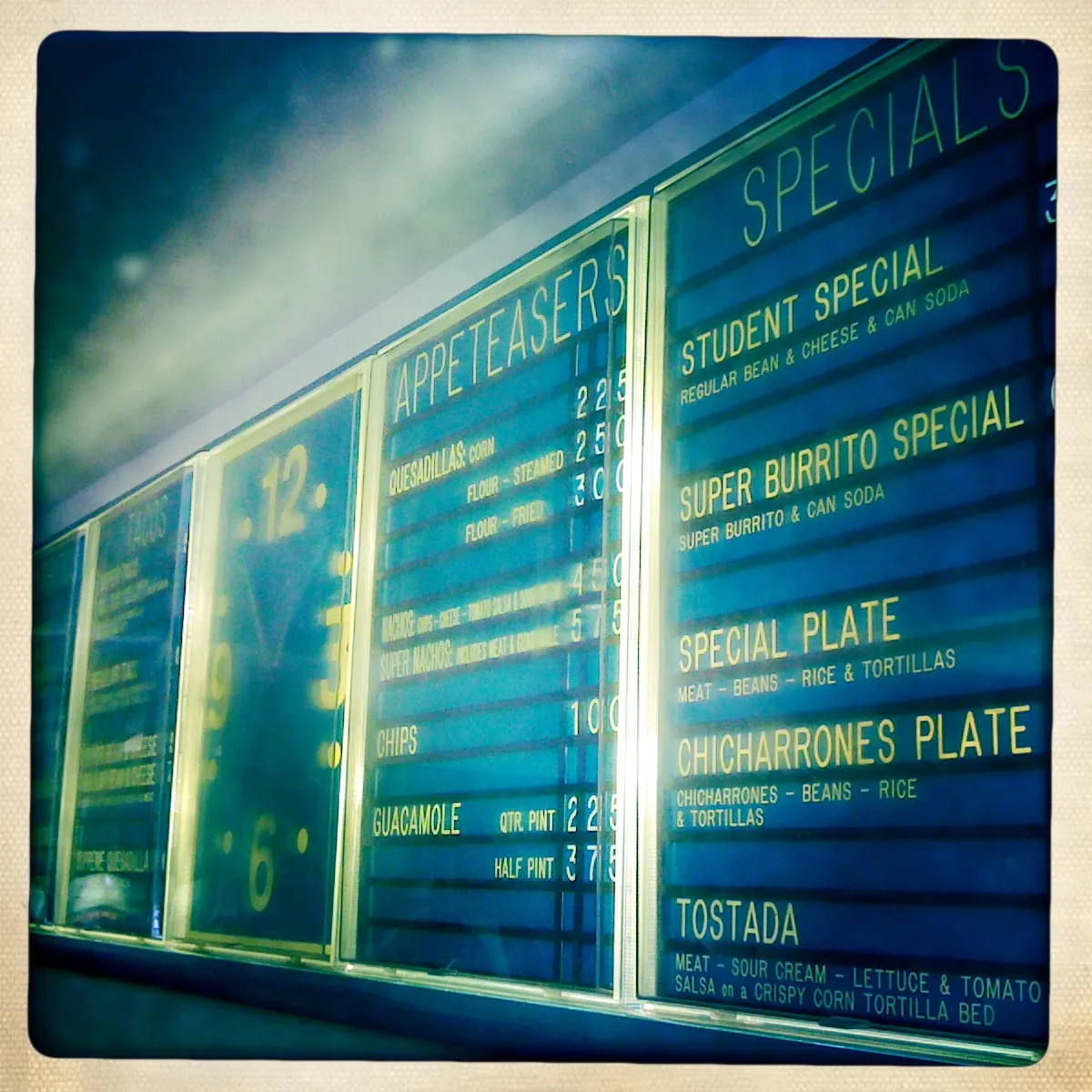
The job didn’t have a cafeteria, and we sat four people to a mega-cube with low walls, so the idea of brown-bagging didn’t appeal to me. Instead, I’d get in my brand new little car, and drive around the neighborhood until I landed at a fast food joint. The office sat on the edge of nowhere, a half hour south of Denver, an area with a few golf courses, an executive airport, and a whole lot of high mesa desert occasionally punctuated with strips of prefab big-box culture dropped on straight roads spaced apart at a mile per. Twenty years before, it was probably all barren cattle-grazing land, when an invisible SimCity player in the sky clicked and dropped all the big names down: Safeway, Chipotle, Chili’s, and Target, with a peppering of Subways and cell phone stores. From horizon to horizon, you’d see the orange-brown Colorado high plains, littered with the same exact stores I’d seen in every other place I’d lived or visited.

I’d always end up at the same two or three places, mostly Taco Bell or McDonald’s. I’d always bring a book, sit in my car, eat the same thing every day and read. The Yaris still had the new car smell and the novelty of car ownership I’d missed during my time in New York. I think I told Sarah one time about how I preferred to eat alone like this every day, and it depressed her, but I liked it. After almost a decade of being surrounded with ten thousand people in the same city block as me, it felt so nice to be absolutely alone.

It would take me five minutes to drive to Taco Bell, and ten to eat my Mexican pizza and nachos. That meant I’d had another 40 minutes to kill, until I’d need to tech write my way through the back half of the day. I’d inevitably end up at the big Super Target on Lincoln, this massive version of the familiar red department store, a two-story version with a double-decker parking lot and a grocery store welded to the side. I’d sit on the top deck of that garage, and you could see this great expanse of nothingness to the south, rolling hills and scrub brush and mountains in the distance, the ribbon of I-25 stretching from Lone Tree and vanishing on the horizon of Castle Rock. I’d go to Target for everything and nothing, to look at the twenty-dollar polo shirts and the seventeen different kinds of car air freshener, and end up with a case of Coke and some new cat toy we didn’t need.

But I mostly went to watch, to see who ends up at a Target in the middle of the day. And the answer, at this Target, was apparently nobody, because I’d only see a small trickle of stay-at-home moms, all younger than me with a gaggle of kids in tow. This wasn’t like the LA I’d know a year later, where in the middle of the day, you’d see all kinds of people and wonder who in the hell actually worked in a town like that. This reminded me of the solitude of working a day shift at the mall back in Indiana, where you’d only run into geriatrics and pediatrics. It had this certain feel to it, a feeling that I shouldn’t be there, the same feeling I had when I skipped a day of high school and saw a world I didn’t belong in.

And the visits to Target tied into that first era. Sarah worked a lot at her job, working nights, weekends, long days. And we didn’t have cable, didn’t watch TV, didn’t do much of anything outside of work except try to regroup to get ready for more work. And it seems like we spent an inordinate amount of time at the Stapleton Target, undergoing consumer therapy by experiencing the big box lanes of SKUs in a store that we didn’t get to experience in Manhattan. We’d end up with hundreds of dollars of damage in those white and red bullseyed bags, Method, Archer, Market Pantry. I’d have the next PlayStation game that would consume my off-hours in my little office, and whatever little cellophane-wrapped junk food I’d consume at my desk while listening to those games and not writing my next book. But those trips to the world outside the womb of my home office were strikingly themed by the uniformity of the Target experience. And when the first era quickly ended and the second era made me miss it, those trips to another branch of the same outlet let me briefly revisit my lost summer.

Now, four years, later, twelve hundred miles away, and 5280 feet lower, everything is different, except a daytime run to Target. They just built a new one, about a mile from my house. Now that I work from home, I’ll end up there after lunch, to pick up a case of (now diet) Coke or a box of Claritin. And it’s a different shape, a different layout, but the same experience, the same types of daytime shoppers, the same red-shirted staff and aisles of things I don’t need but will probably buy.

This nostalgia is a painful and potent drug for me, something it’s very easy for me to get lost in.  I can waste far too much time exploring the connections and bridges of a present day to the past, grasping at these raw feelings I try to replay as a time machine to a distant era or pleasant memory.  I stumble across these things, like the smell of a faded air freshener or an old receipt to a lunch from 2002 stuffed in the back of a book, and it can trigger this rush of thoughts back to that time.  And I spent 1999 wishing it was 1992, and 2008 wishing it was 1989, and now bits of 2011 wishing I could open a window to 2007 and take a quick look again.  I wonder if I’m the only person who does this, if I’ve accidentally segmented my life into these predefined periods by moving and changing jobs, or if it would be the same if I still lived on the same street in the same town where I grew up.  It’s hard to be present in now, except that I know at some point in the future, I’ll be looking back and remembering 2011 again.  And maybe the bridge will be a consumer store, or maybe it will be a kind of food or a song or the sound of an appliance or the smell and feel of an autumn breeze at the tail-end of a long summer.   But I know that it’ll happen, at some point.

And now, I’ve gotta stop doing this, and go immerse myself in the now of trying to write my next damn book.  Stay tuned.

Eversion and the mass-hallucination we call life

IMG_5865

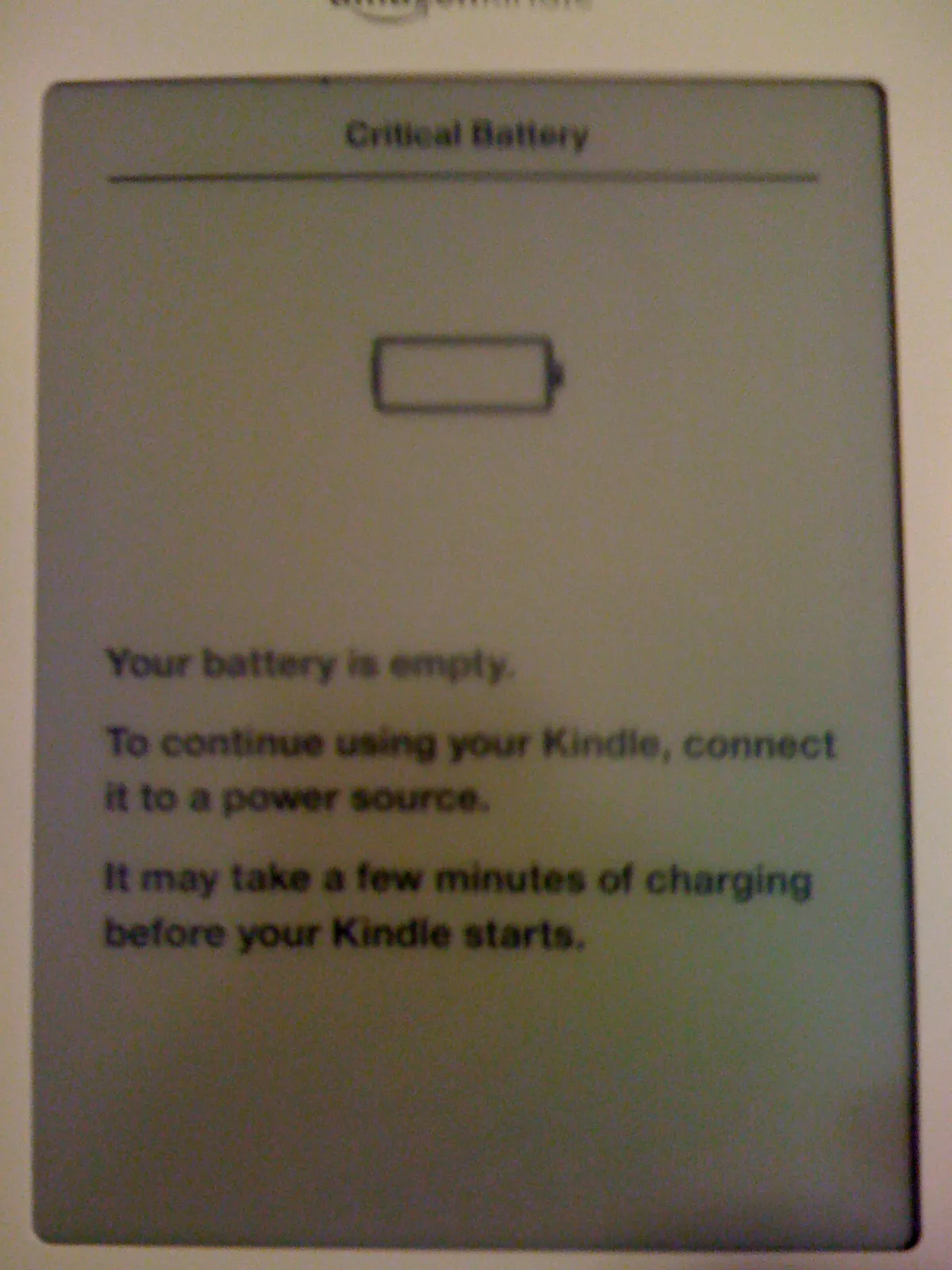
So Facebook recently fucked over its entire interface.  That’s big news and not big news; I mean, it’s been beaten to death in various memes, even though it just happened a matter of hours ago.  It’s big news in the sense that a somewhat-usable product has been made into a much less usable product.  It’s not big news in the sense that we’re all marching to our graves at a rate of an hour every hour, some a bit faster than that, and nobody really gives a shit about various wars and economic disasters as much as they care about the order and sorting of various updates from their friends describing their bowel movements.

What’s interesting to me is how social media sites have changed our abilities to disseminate information.  I’m almost convinced you could film an entire movie backwards, or edit it together so the events happened in reverse-chronological order, because people are so used to following feeds of information like blogs and twitter backwards.  Everyone complains about how twitter and texting is killing the letter or the long-form prose entry, how people used to write long letters, which were replaced by long emails, which were replaced by blog posts, which were replaced by 140-character bursts of information.  And I suppose that’s true.  But I also wonder about people’s ability to glue together narratives from disparate entries of text, and how that will change our perception of reality.

William Gibson, the guy who invented cyberspace, later claimed that we are already in cyberspace.  (He called it everting.) He didn’t mean that we had stupid goggles glued to our head or were immersed into some Tron wet dream.  I think back in 1995, those Lawnmower Man days, I thought there would be a sudden tipping point where computers would get enough horsepower and the right neural tap so that we’d be able to spend time in a simulated reality.  What happened instead is a parallel reality was created, and it slowly became woven into our daily lives, until we reached the point where more of this cyber-reality existed than our actual lives, and I don’t think anybody really realizes it.

Maybe I’m a bad example of this, but the bulk of my social interaction now takes place over TCP/IP.  I work from home, and aside from two meetings a week, I conduct all of my work through emails and chat rooms and bug tracking software and wikis.  And technically, my phones run through VOIP, so those are also funneled through the ether.  I talk to friends in email; I post on this blog; I write twitter updates and reply to Facebook posts; I do pretty much everything online.  I shop online; I sell books online; I post the high scores of my video games online, and prior to cutting my copy of Call of Duty in half because it was consuming all of my free time, I played against and with other people solely through my network connection, in a virtual reality where we blew each other up in deathmatches.

Look at all of the stuff that has been replaced by a digital counterpart: you download songs in iTunes instead of buying a physical CD; you get your software in binary form from an app store instead of a shrink-wrapped box.  All of your photos are JPEGs and TIFFs instead of printed on Kodak paper.  Maybe you haven’t moved to e-books yet, but a lot of people have.  Films?  Tax forms?  TV shows?  Calendars?  Maps?  It’s all another subdivision of cyberspace.  Sure, you aren’t sitting at a digital desk in the Matrix and whipping your hands around in the air to manipulate these objects.  But instead of having this completely separate world you enter by jumping in a holodeck or a VR isolation tank, you’ve got an infestation of these objects peppered throughout your regular blood-and-guts reality.

All of this works, until part of it radically changes.  In the real world, you don’t wake up and suddenly find that every house in your subdivision, instead of being arranged on streets in numerical house-number order, were sorted by their frequency of use or color.  But in a virtual world, you’re at the whim of its maker.  When you get used to consuming those status updates in chronological order and they’re suddenly sorted by some piss-poor AI that thinks it knows what’s most important, you obviously throw a fit.   Another example of this — also this week — was when Netflix suddenly decided it would be a great idea to take their existing service and split it into two parts, which completely upends the decade-old experience of putting stuff in a queue and expecting the discs to come in the mail, by complicating the situation with two entirely incompatible queues, one of them having a bafflingly stupid name.

I don’t know anything about human factors (I’m sure A’s dad could give me a lesson on it) but there’s gotta be a term or a threshold on how people react to sudden changes like that.  But is it something learned?  Will the kids born in 2011 who live a lifetime of CEOs with completely stupid UX ideas making dumb adjustments on the fly instantly adapt when their reality is suddenly shifted?  And how will a generation of people like this change the way companies work?  I grew up in a generation that, for the most part, always had email and always knew how to get on a computer and enter in a URL.  So companies started saying “fuck it - don’t ship a manual; just put the URL on the box and let them figure it out” or “we don’t need to staff a toll-free hotline, just have them email when they need to order new checks/change their password/whatever”.  And I’m fine with that, but the generation before me freaked the fuck out, and every Andy Rooney type started in with the “REMEMBER WHEN YOU COULD GO TO THE BANK AND GET THE TELLER TO HELP YOU” crap.  In twenty years, will I be saying “REMEMBER WHEN EVERYTHING WAS IN CHRONOLOGICAL ORDER?”