The Wrath of Kon

Dispatches, thoughts, and miscellanea from writer Jon Konrath

Tag: photography

Shut The Fuck Up About Megapixels
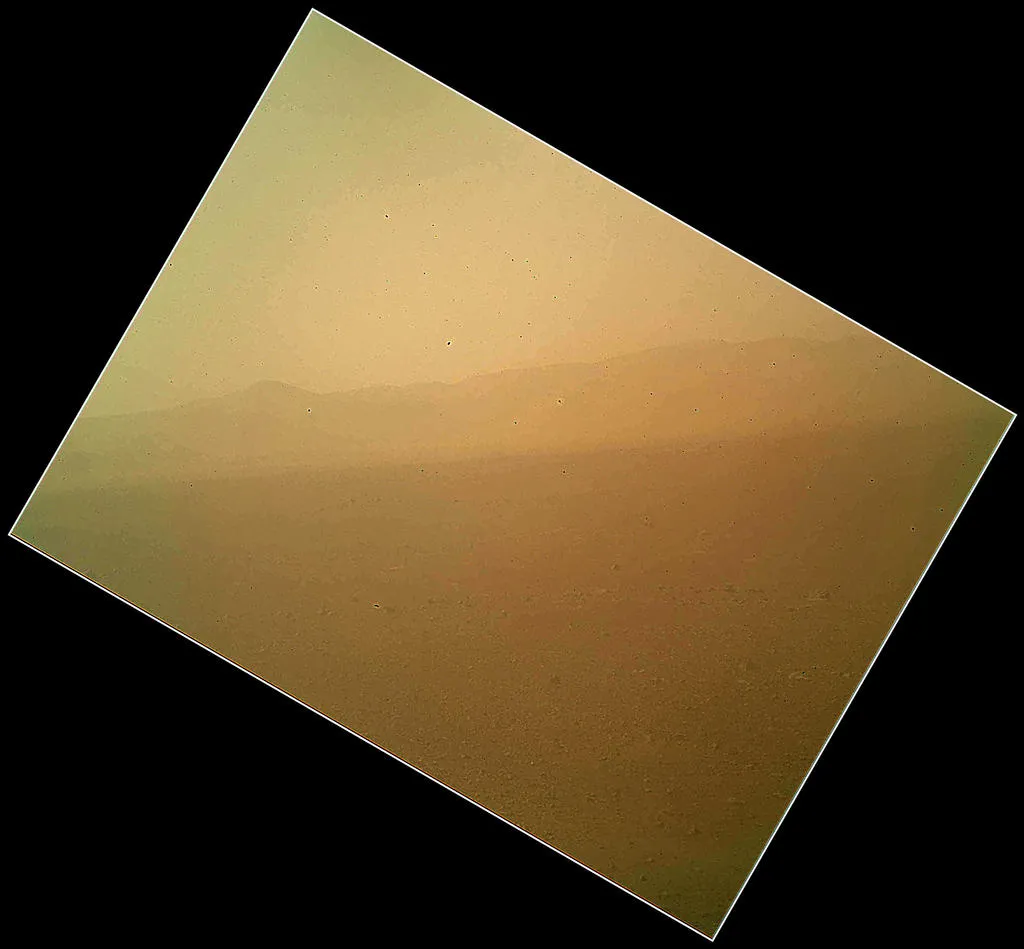
First_Color_Image_of_the_Martian_Landscape_Returned_from_Curiosity

I hate it when people think that more megapixels are better.  They are wrong.

This has been bugging the shit out of me ever since the latest Mars lander touched down.  Once people heard the probe had a two megapixel camera, the circle-jerk started.  “HEY MAN WTF DID THEY USE THAT CAMERA MY ANDROID HAS AN 8 MEGAPIXEL NASA SUX GLGLGLGLG”

Okay, back up a few steps.  Back in the old days, a camera worked by focusing light through a pinhole and onto a sheet of film, which chemically trapped that blast of light into something you could hang on a wall (after you did some developing process to the sheet involving trays of chemicals in a dark room, or dropping the shit off at Walgreen’s and waiting a week.)  That pinhole then evolved into a glass lens or a series of lenses that could be used to optically process what image ended up on what paper.

Digital cameras do away with the film part by using a computer chip that’s sensitive to light, called an image sensor.  That image sensor is divided up into millions of little pixels.  The number of pixels determines the camera’s resolution.  So if that sensor had 1024 by 1024 little square dots that reacted to light, it would be a one megapixel sensor. The sensors aren’t typically square, though; they’re usually in some rectangular format, which is why all of the pictures in your Facebook albums aren’t perfect squares.  An average cell phone is going to have a sensor that has an active area of about 5.3mm by 4.0 mm.  A consumer point/shoot is going to be a couple times wider and taller.  Canon’s DSLRs are either APS-C (22.2x14.8mm) or APS-H (28.7x19mm).  There are full format cameras that are even bigger.  Obviously, the bigger a sensor, the more it weighs, costs, and uses power.

When you take the size of the image sensor and divide it up by the number of pixels, you’re going to get the size of each pixel.  It’s like cutting a cake.  If I take one of those big sheet cakes from Kroger and cut it into four pieces, each piece is going to have 2876 Weight Watchers points in it, and will put you into a diabetic coma.  If you have to cut up the same cake for an office of six hundred people, each piece would conveniently fit in a thimble.  (A 16x24” sheet cake cut into 2” squares feeds 96 people, unless you’re serving it in Indiana, in which case it will serve about two dozen people, provided nobody’s scooter batteries die during the meal and leave them stranded away from the cake.)

The iPhone 4S uses a 4.54 x 3.42mm sensor.  Its capture size is 3264x2448, or 8 megapixels.  The Curiosity uses cameras based on the Kodak KAI-2020 sensor, which is a 1600x1200 capture size on a 13.36 x 9.52 mm chip.  That means the iPhone has a pixel size of 1.4 micrometers (or microns) square, and the KAI-2020 has a pixel pitch of 7.4 microns.  With a cell phone camera, you’re “serving” far more people cake, but with the larger format camera, you’re starting with a much bigger cake and sharing it with far fewer people.  So it “serves” nowhere near as many people, but those are some giant chunks of cake.

What does the size of the pixel mean?  First, you get much more detail with a larger pixel size, because the image that’s transferred through the optics and onto the sensor is going to be captured more faithfully.  It’s why your old 110 or disc film camera took such shitty pictures, and your 35mm camera didn’t; the larger a camera’s format, the more area it had to capture the image.  A small pixel size also limits the dynamic range, or the amount of range between highlight and shadow.  If you’re ever tried to take a picture with your cell phone when an extremely bright light was in the image, and you got  a shot of a bright ball of white surrounded by darkness, it’s because your camera couldn’t handle the dynamic range between the two.  And also, the smaller the pixel, the more noise that’s added to the picture, especially in low light conditions.

That doesn’t mean all high-megapixel cameras are junk, just high-megapixel cameras with small image sensors.  If you go pick up a Nikon D800, it’s a 36 megapixel camera, but it’s got a 24 x 35.9 mm sensor, so it’s a 4.88 micron pixel pitch.  That’s not quite the 7ish of NASA’s camera, but it’s much better than the 1.4 of an iPhone.  Of course, that D800 is going to cost you three grand plus lenses, and it’s not going to fit in your pocket or make phone calls or play Angry Birds.

There are a bunch of other factors involved in the difference between the Curiosity’s cameras and the ones on your phone.  First, your phone doesn’t have to deal with radiation or temperature extremes.  Also, they shopped around for a camera in 2004, and then tested the living fuck out of it before putting it on a rocket for space.  Your camera phone probably has a couple of tiny plastic lenses, while NASA hung much more complex optics off of their units.  And their budget was slightly bigger than that of a cell phone manufacturer, so they didn’t have to pinch pennies on the sensors they used.  And NASA typically takes a bunch of pictures, sends them on the slow link back to earth, then stitches them into the much larger images that you see.

It’s a shame that people are taught to judge hardware by numbers like this, and that we’re marketed hardware based on them.  I remember when I worked at Samsung, a meeting erupted into a giant argument, because everyone but me and another guy believed — KNEW — that a higher megapixel camera was always better, because… it had more megapixels.  It’s like when people talk about how their computer is so much better because it has a higher clock speed, without mentioning that their OS is burning way more cycles running crapware and antivirus software.  The 450 horsepower in a 36,000 pound low-geared John Deere is not better than the 430 horsepower in a 3200 pound Corvette.  It isn’t.
Instant Obsession

save0002

I’ve had this sudden obsession with analog film.  It started when we saw the movie Super 8, which made me google super 8mm film, and then start pricing the stuff.  It’s insanely expensive - something like $20 a roll, which is roughly $10 a minute.  The cameras are cheap, practically free on eBay, with some going for twenty bucks.  But you also have to buy a projector to see the stuff.  And you have to get it developed, which involves mailing it away to Kansas or something, waiting ten to 20 days to find out you filmed 90 seconds of darkness or cat hair flapping against the gate.  And editing it involves a knife, tape, and far more patience than I could ever muster.

That had me thinking about Polaroid, though.  We had one when I was a kid.  I was the 135 child, that old format camera, and all of my baby pictures were on slide film.  Monica was the 110 kid, the next low-end Kodak format.  But by Angie, it was Polaroid, instant pictures.  This all seems lame now that any expectant mother’s got ten video cameras and a quartet of iPhones trained on her junk from first contraction to ejection of placenta, but back then, a Polaroid was as instant as you got.  My memories of 1976, her birth, are forever stained in the rusty sepia tones of a deteriorated  Type 600 integrated film image.

During my trip across the country in 1999, I became infatuated with Polaroids again.  I’d heard they now had a disposable camera, and I became hung up on finding one.  This was right before digital photography became cheap, and I took pictures on the long trip with a 35mm film camera, a cheap point-shoot I got in 1993.  But I stopped in every mall on my crawl across America, looking for one of those damn things.  They must have just discontinued them, and I finally gave up and bought a standard Polaroid camera and a couple of packs of film, only to find the disposable at the next Target at which I stopped.

The Polaroid was interesting, but I got bored of it fast.  I liked the oddball size of the portable version, but in some ways, the Polaroid was the worst of both film and digital.  It was insanely expensive per shot, very hard to work with anything but the most perfect light conditions, and almost any picture taken had a certain flat, lifeless quality to them.  There’s also something about the plastic Fisher-Price cased cameras that scream “I’m an idiot” when you’re walking around snapping pictures.  (I’m sure now it screams “I’m a hipster!” - same difference.)  The camera went in a closet when I arrived in New York, after I burned through the last few frames of film, and I don’t know what happened after that.  Either I gave away, eBayed, or threw out the camera years later.

Polaroid suddenly went out of business, or stopped making the film, and the 10-shot packs of expired 600 film started selling for $60 online.  Some group tried reverse-engineering the formula to restart production, and they did, with so-so results.  I was in a hotel in New York last year and this woman was taking pictures of her kids with a Polaroid.  I asked her if it was old film or the new stuff, and she said it was new, and that it seemed to work fine.  I heard mixed results online, that some batches were streaked or splotchy, but the snapshots she was holding looked decent.  Not $21.99 for 8 shots decent, but I don’t have kids, so how do I know.

What I don’t understand is that some other instant film still existed.  I think Fuji made their own instant film, and I think still does.  Is that a different format or cartridge?  Also, I think they make large Polaroid film, like 5x7 stuff for pro cameras.  I could google this, but I’m sure I would get a wikipedia page that contained nothing but chemical formulas and no actual information.

What’s interesting is Polaroid now makes a printer that works on instant film.  You bluetooth to this little thing about the size of a pack of cigs, and zap a digital photo, and it spits out an instant print of it.  I think the prints are only about 2x3, probably not cheap, and it doesn’t work on an iPhone.  (It does use USB though.)  Now I’m interested in checking one of these out.  I have no idea what I would do with it - probably take a dozen pictures of my cats, then throw it in the closet.  But I get infatuated by technology like this, and I’m not sure why.  It’s the same reason I’ll waste days googling Commodore 64 stuff, even though I know my phone is a thousand times faster and easier to use.  That doesn’t stop me from reading an endless stream of articles about people writing ethernet into their 8-bit, 30-year-old computers with less memory than my watch.

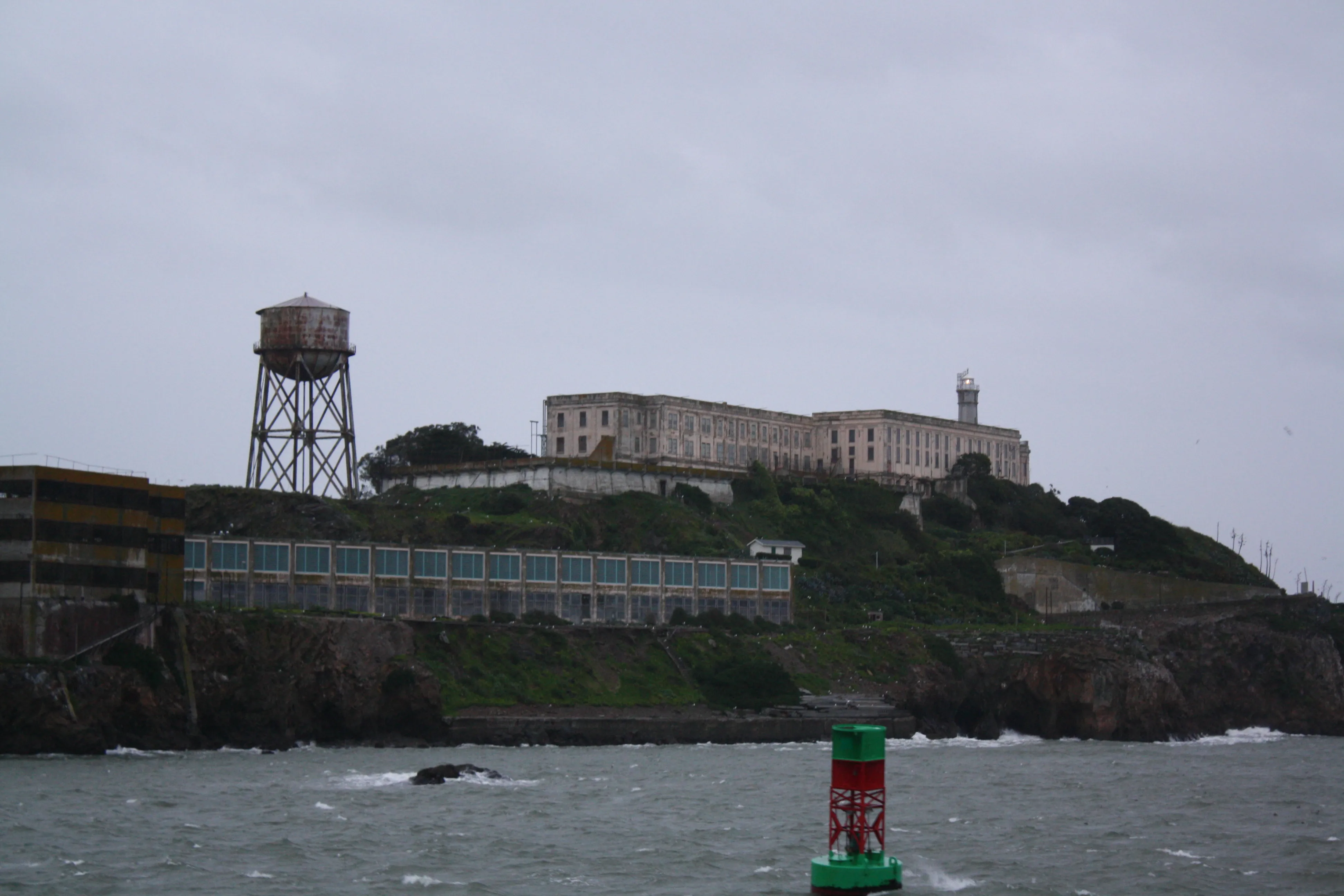
Escape from Alcatraz

IMG_4775

Last night, we took the night tour at Alcatraz.  The night tour is the best time to go; it leaves the dock at about 6

, and they have more tour guides there, plus you get to see everything at night, or when the sun’s setting, which lends to some amazing views.  Unfortunately, we went during some horrible weather.  It was like 47 degrees, pouring rain, and extremely windy, and it got even worse when we were on this little clump of rock in the middle of the bay.  It’s hard to get tickets to the night tour, and we ordered ours months ago, so we bundled up and decided to power through it and go anyway.

Most of the tour itself is indoors, but we couldn’t spend any time wandering around the island itself.  Also, you get there at a dock at the low point of the island, but the cell block itself is at the top of the island, which means you have to climb up a steep switchback trail that’s the equivalent of hiking 13 flights of stairs.  And maybe that would be a decent workout, but not when you’re soaking wet and cold and being blown sideways by gale-force winds.  Even when we were inside, winds and rain whipped through the giant barred windows.  It’s not a climate-controlled resort, and you appreciate how miserable it must have been to do time there when the weather’s this bad.  And you know six months out of the year, it’s going to be this downcast at night.

The cellblock itself is a lot smaller than I imagined.  It’s really only four rows of cells, with one, the solitary wing, having cells on only one side.  I think the maximum number of people they ever had there was about 300, which was the size of our tour group.  There’s a library, a cafeteria, a control room and warden’s office, and not much more.  I guess there were some other buildings, like a place where they did work duty, but the other stuff was either closed off or is long gone.  A couple of the buildings burned down during the Indian occupation, and a couple were torn down when they were on the verge of collapse.

There’s also an apartment building, where workers lived, some with their families.  I never realized that kids actually lived on the island, and took a boat to school every day.  That seems unusual - now, nobody lives within miles of those supermax prisons, like it would be an amber alert field day, or a steady supply for hostage situations.  But I guess the families liked the small-town feel and the fact that they looked out at this incredible view of the city.

I wish I could have seen more of the history of the place.  It’s like New York City in the sense that it’s many-layered, hundreds of years of stuff built on top of other stuff, going all the way back to when it was a civil war fort.  There are areas that used to be moats and sally gates, and buildings built on top of the foundations of other buildings.  I guess when you have to haul in all raw materials, you tend to reuse things.  They tell the story of this at the various exhibits, but I wished it was a clear day so I could get some more pictures of this construction.

We also stayed for a presentation about the myths of Alcatraz, where they talked about how most of the stuff you see in movies is total bullshit.  Like, the whole system of tunnels under the island in The Rock does not exist.  And the myths about the man-eating sharks and impossible swim to the mainland are also just myths.  There are no sharks in the bay (other than little bottom-feeders), and a good swimmer could make it to the shore.  But if you spent your days rotting in a tiny cell with no exercise and no access to a YMCA pool and a daily diet of bulk-up powder, you probably couldn’t.

The trip was very cool, but it was photography hell, because of the low light and moisture.  The trip back was also not optimal - the ship was pitching and bobbing every which way, and water was splashing up over the boat as we crossed back.  I wasn’t sick, but a few people were, which wasn’t pleasant.  Anyway, I’ve posted the pictures to flickr here: http://www.flickr.com/photos/jkonrath/sets/72157626183337637/

I'm a baseball photographer and didn't know it

4659357853_fc3bd6bfce_o

I did not realize this until today (when I was googling my own name), but a bunch of the baseball pictures I have posted on flickr (i.e. over here) are being used by a bunch of wikipedia articles.  In fact, several of them are the main image used in the article, which I think is pretty damn cool.  And I was not the person who did this - I just posted them to flickr, set the license to Creative Commons, and forgot all about it; other people found the pictures, cropped them, uploaded them, and put them on wikipedia.

If you go here, you can see all of them that have been uploaded.

Not all of them uploaded are used in articles.  Here are articles that use my images:

With the exception of the first three, all of the pictures I took were used as the top image for the page.  Most of these were taken with my DSLR.  But the Josh Fogg picture was from my old Fuji, and was taken at the very first Rockies game I ever went to, in 2007.  (They won against the Astros.)  And the Tomo Ohka picture, which is pretty horrible, was taken at my first baseball game ever.  (Astros at Brewers in 2006, with the Brewers winning.)

Anyway, these will probably all get edited and replaced at some point, probably in the near future.  But it’s great and a bit humbling to see my work show up somewhere else.

Ten random photos

I take a lot of pictures that don’t end up in galleries in flickr.  Here’s a few of them.

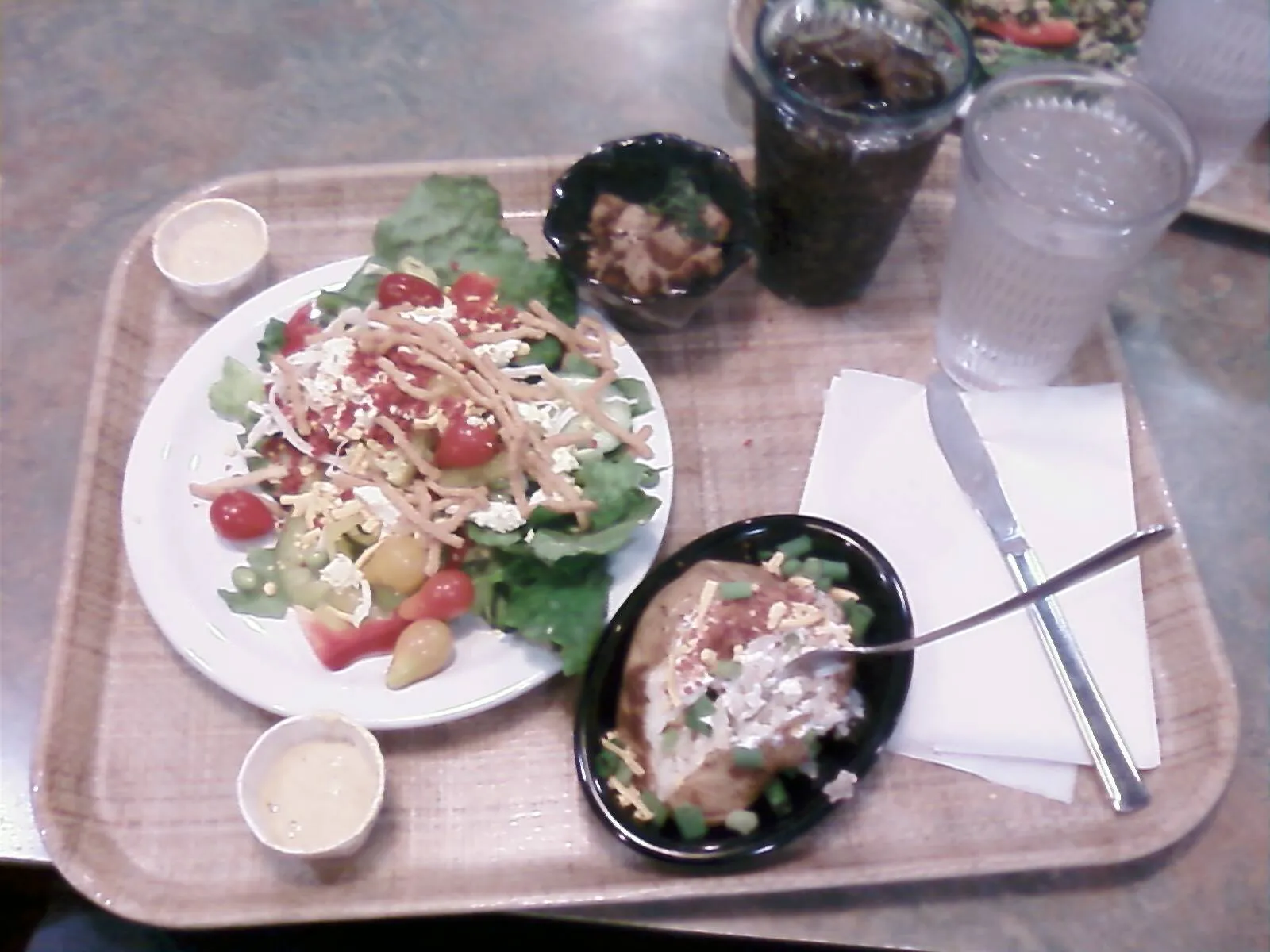
PIC-0014

A lunch at Fresh Choice, probably after a Weight Watchers meeting in San Bruno.  I liked to celebrate weigh-in by eating a ton of starch and calories.  This was after I made my weight goal and was just maintaining, so I went back and forth on actually counting points, and went through a brief phase where I thought I’d just take pictures of everything I ate and figure it out later.  This morphed into this brief idea that I’d write a program to do image recognition on the pictures and calculate points, and that went to not doing anything.

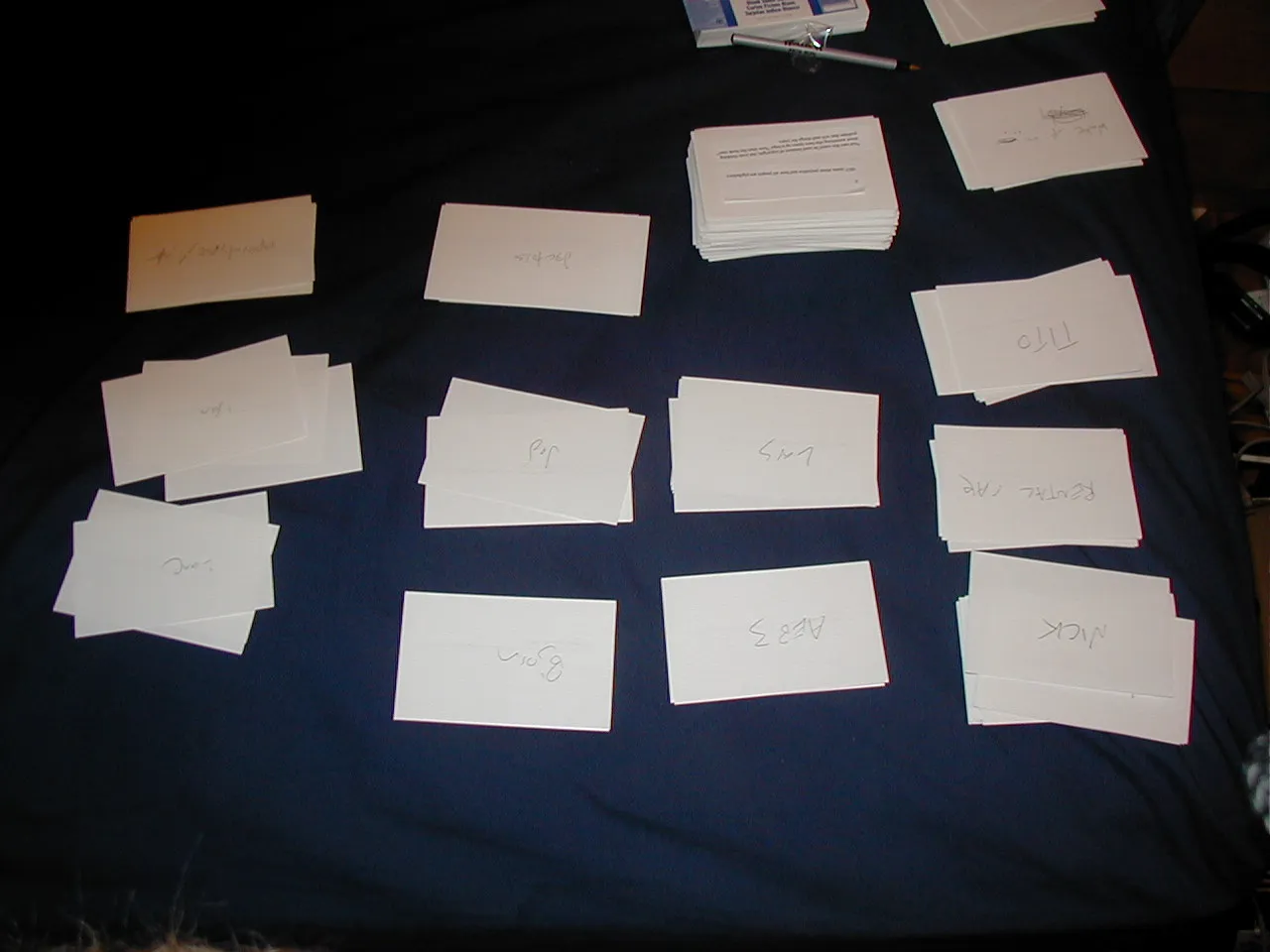
P8310014

I struggled for a long time with the organization of my second book, experimenting with a lot of outlining software and different schemes to keep track of a nonlinear story.  At some point in 2000 or 2001, I had this idea to reorganize all of Rumored to Exist by printing the text onto index cards, then rearranging them all over the place until it made sense, like I was writing a screenplay or some shit.  It didn’t work, and I had bunches of these cards lying around every room of the house for months.

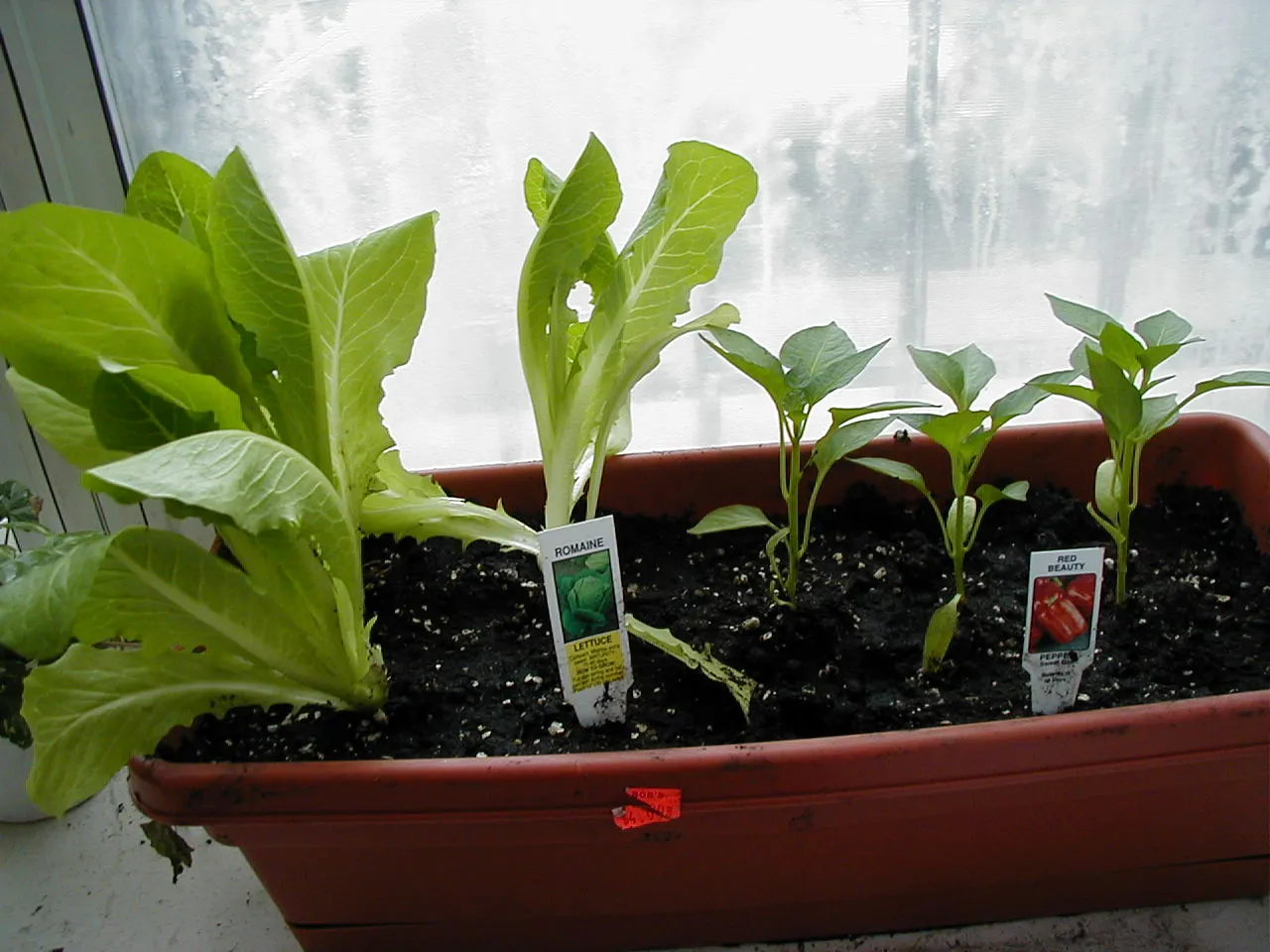
p4210009

After that book got published, I bought forty acres of land in Colorado.  I then had this stupid idea in that I would start gardening in my apartment in Astoria, despite the fact that I only had windows on one side of the place and there was too much shade to get any sunlight to grow anything except for those stupid cactuses that could live underground for twenty years. I think the grand scheme was that I’d learn enough about gardening that I’d eventually be able to live off my land in Colorado.  The whole thing lasted about a month until the bugs took over.

IMG_0101

Go-kart racing in Fremont with Samsung. They took us there right before everyone had to take some survey on employee satisfaction, to make sure everyone thought it was a great place to work. The firesuit hood thing makes me look like I’m about to go to some renaissance fair to drink a bunch of mead and go jousting.  The worst part of this was getting knocked around for 200 laps and then having to drive 40 miles home that night, the whole time wanting to trade paint with other cars on 880.

IMG_0061

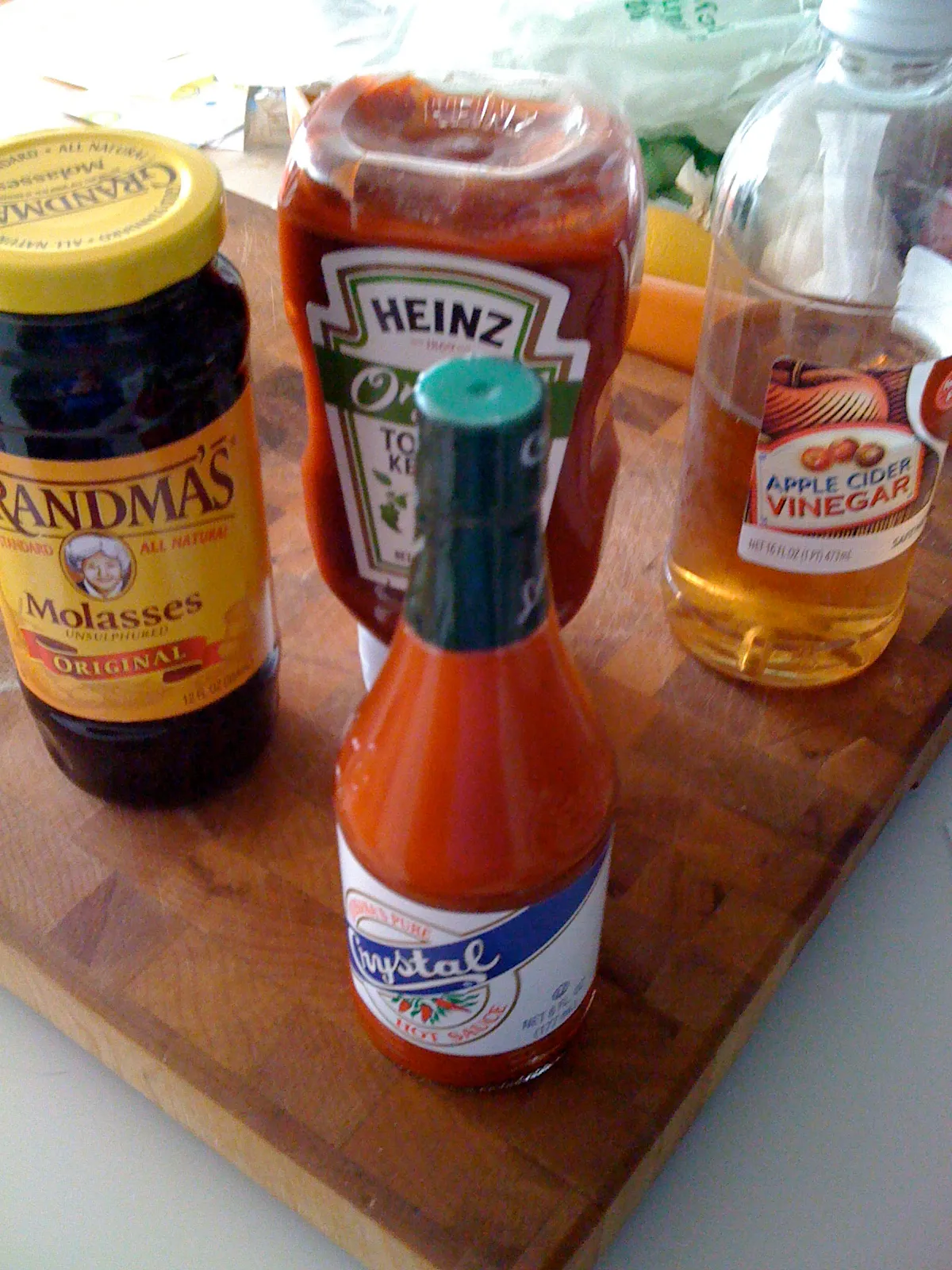
All the fixins needed to make BBQ.  I’m surprised I was able to find Crystal sauce here on the west coast, but they sell it in the Oakland Safeway.  This is the really sour sort of BBQ, with the vinegar taste to it, which is pretty decent, although I realize there is this Pepsi/Coke religious argument about what school of thought you follow on BBQ.  Here’s the sacrilege: I used this to make a fake pork pulled pork, using some kind of engineered shredded soy fake meat product.  But the pork (or lack thereof) is just the vehicle for the sauce transmission, so it didn’t matter too much.  It is a mandatory requirement to make corn on the cob with this meal, though.

P4010008

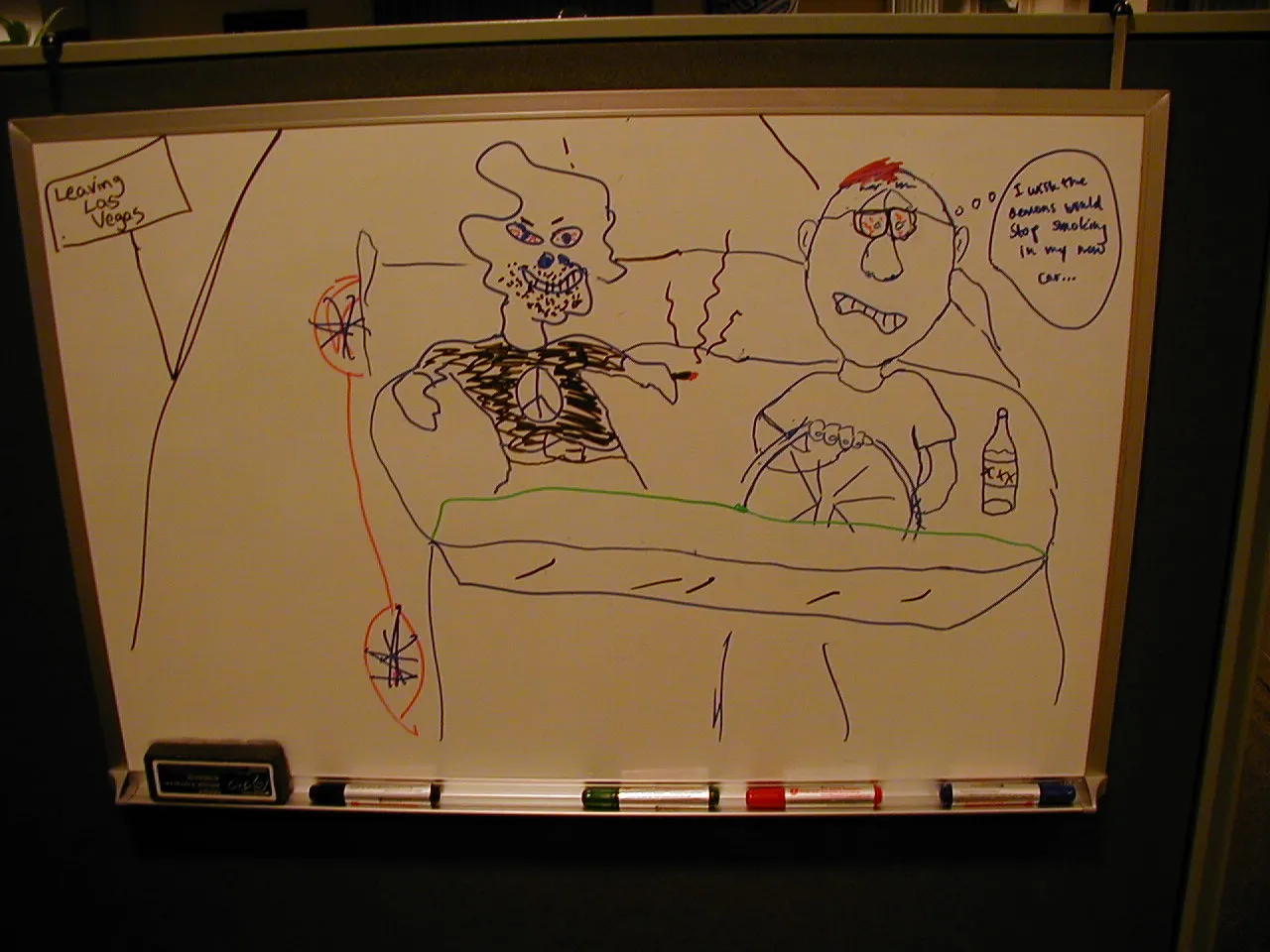
This was on my whiteboard when I came back from a trip to Vegas in maybe 2001.  I think it’s the work of my old coworker John Andonov, who had a habit of leaving his works of art on various cube walls when people were in meetings, which was pretty much constantly at Juno.  It’s amazing how many pictures of whiteboards I have in my photo library.  Most of them are insane system diagrams, where at the end of the meeting, someone says “make sure to take a picture of this” and then you never use it again.

DSCF1101

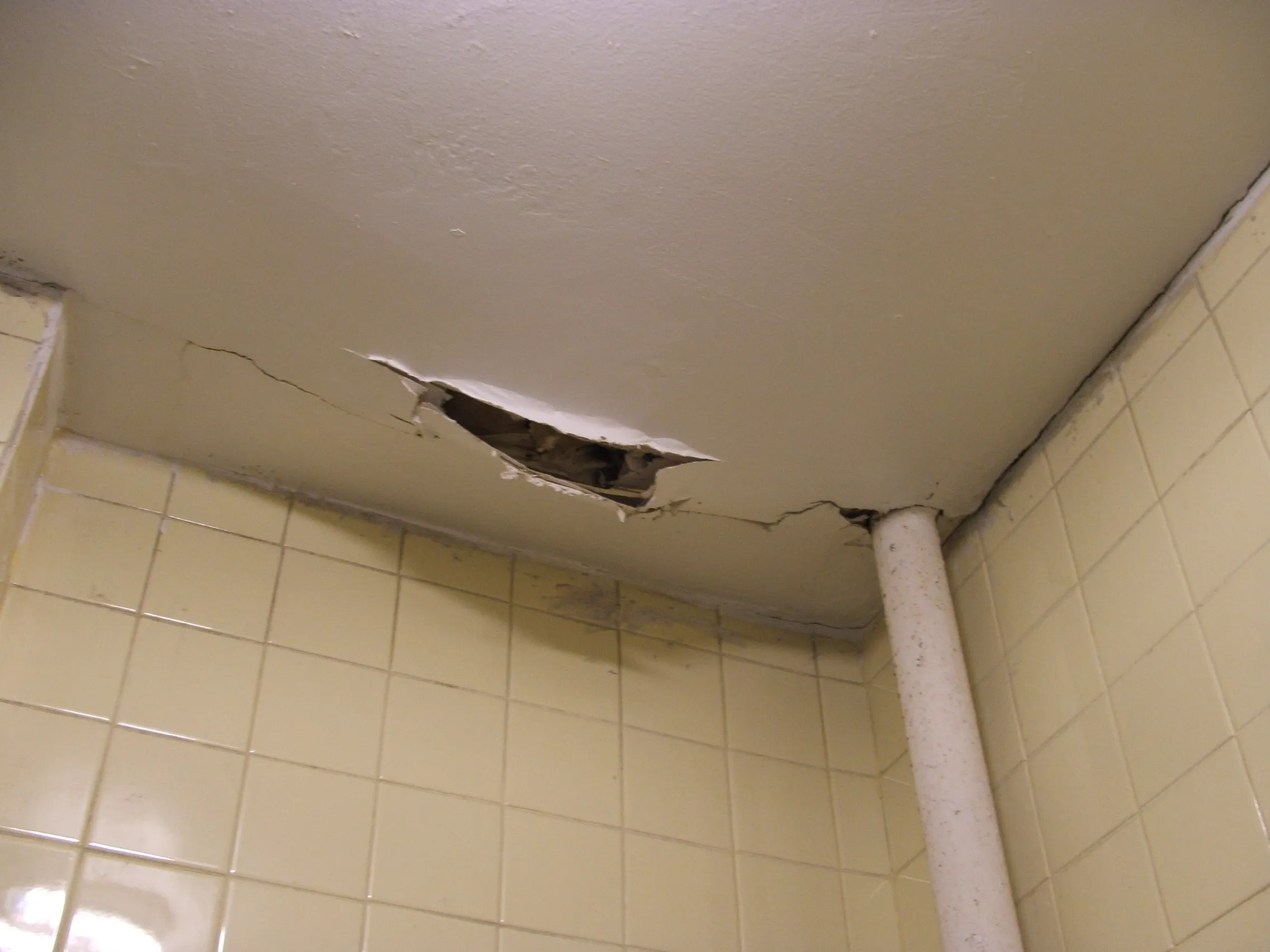
I awoke one morning in my Astoria apartment to the sound of a waterfall, and saw the place above me leaking a river of water through my ceiling.  The piece of shit landlord never fixed it, and it looked like this for the next four or five years.  This was the same landlord that threw a fit when everyone organized a rent strike because he didn’t see the problem with not having a boiler for hot water or heat during what was one of the coldest Novembers in the last hundred years.  Nice tile color, too.

IMG_0823

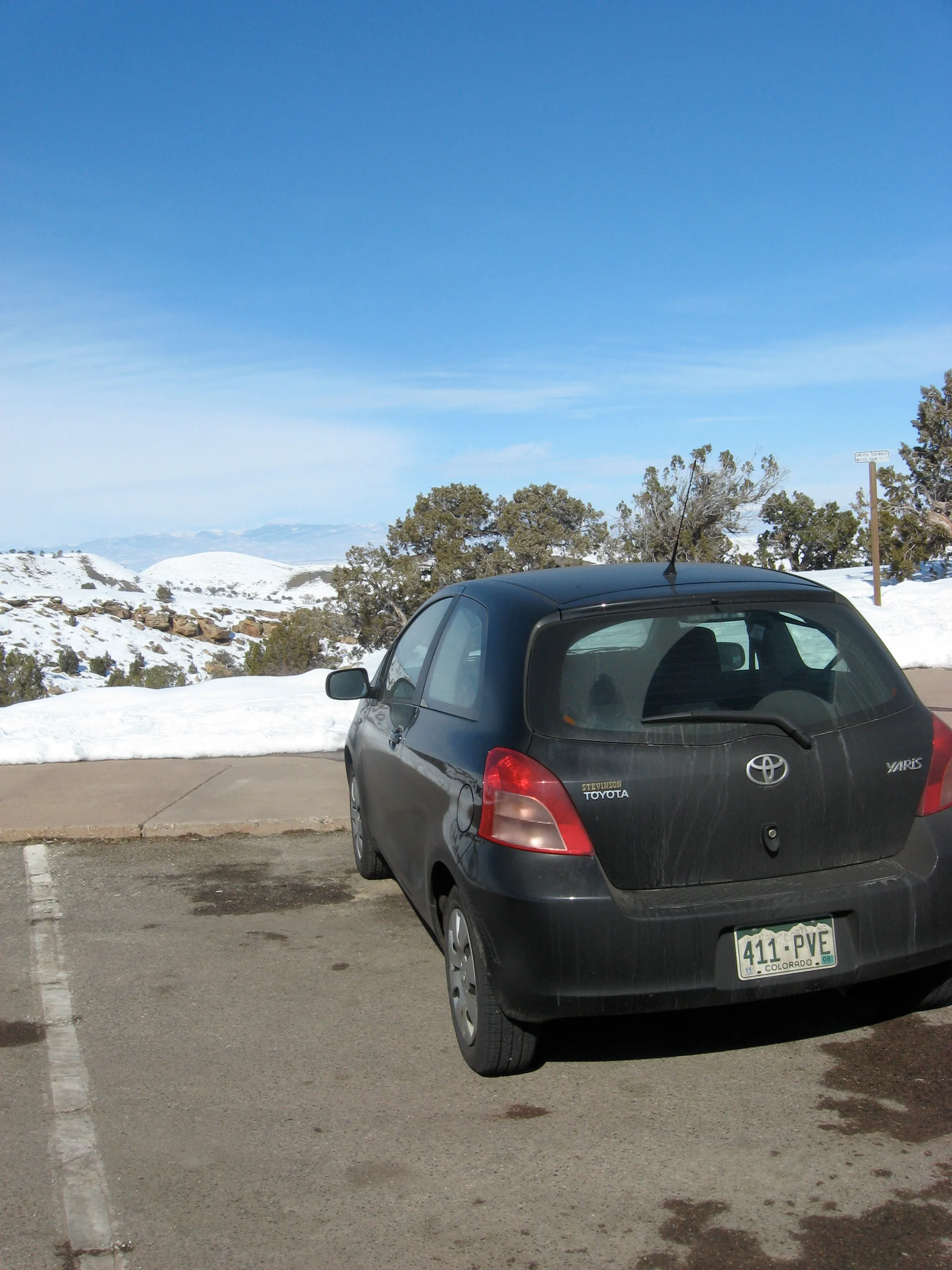
My car somewhere in Utah I think, during the first Denver to LA trip.  I drove this one solo, and don’t advise taking a tiny car with a 67-HP engine through the mountain passes of the Rockies during the winter, especially if the car is packed with a few hundred pounds of housewares and laundry.  A good chunk of the trip was spent fighting the transmission on the baby engine, which constantly insisted on downshifting as I struggled through the hills.  That pretty much cleared up when I got to central Utah, but I was certain I was going to run out of gas in the middle of nowhere, since there’s a hundreds-mile stretch with absolutely no gas stations or civilization in general.  It’s also amazing how filthy the car got by the time I got to California.

IMG_1282

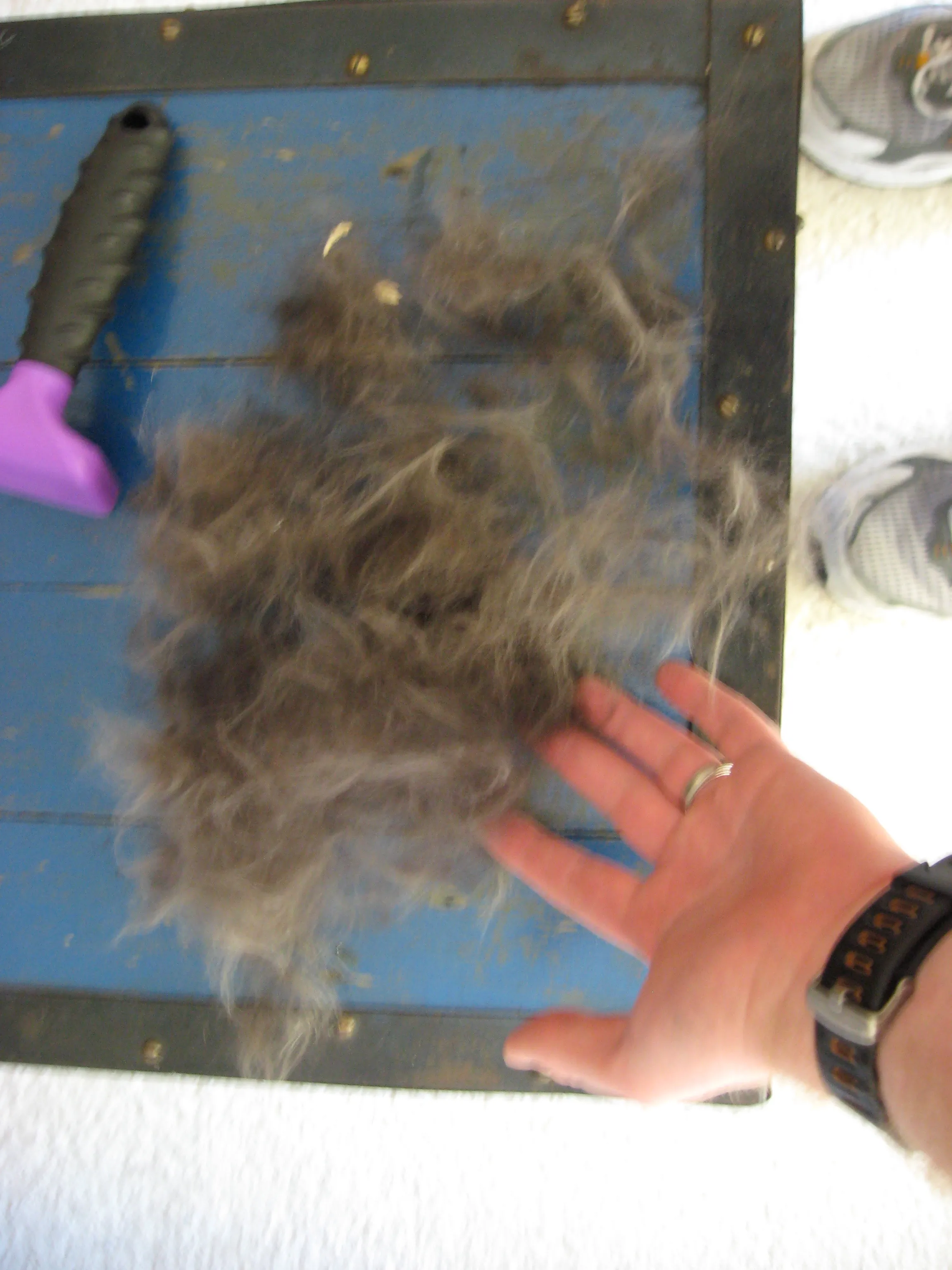
The perils of ownership of a long-haired cat: every time I brush Loca, I come up with about this much hair.  Seriously, I brushed her for 20 minutes yesterday, and if I brushed her right now, I would produce at least this much hair.  And if I didn’t brush her constantly, the entire apartment would pretty much look like this on every single surface, except for the surfaces covered with cat puke where she ingested this much hair and then vomited it back up.  I should buy a loom and start quilting blankets and sweaters from it.  The big problem is that if I knitted a sweater out of her hair, the other cat would climb on it and lick it all the time.

IMG_2038

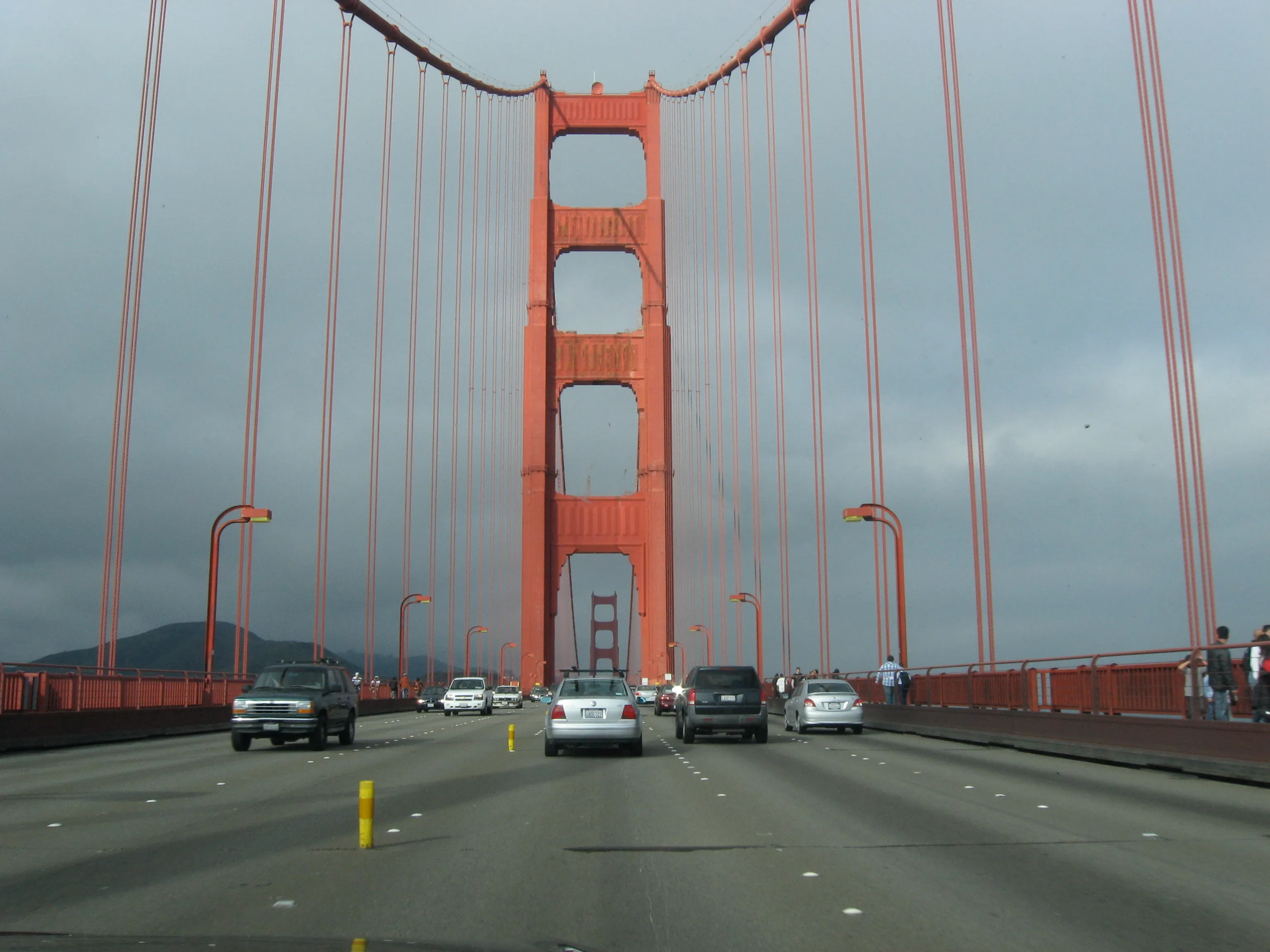
The golden gate.  I took this one on Thanksgiving 2008 when me, Sarah, and A went to Sarah’s friend’s place in Sonoma for dinner.  Not bad for being shot through a dirty windshield.